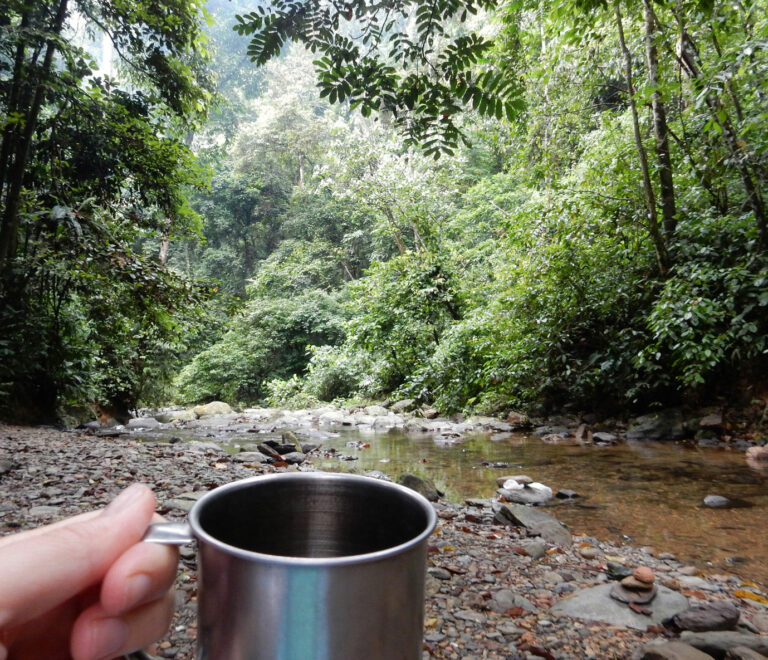
For many travellers, a jungle trek in Bukit Lawang is one of the highlights of a trip to Sumatra. Encountering orangutans in the wild, the impressive natural beauty of the rainforest and the hospitality of the local people make this experience truly unique. Nevertheless, it is not uncommon for travellers to try to haggle over the price of a trek or to specifically search for a Bukit Lawang trekking discount. What may seem like a normal part of travelling at first glance, however, has far-reaching consequences for the people who make their living from tourism in Bukit Lawang.
The trekking prices are not random
Many visitors are unaware that the prices for jungle treks in Bukit Lawang are set by the local guides’ association, the Himpunan Pramuwisata Indonesia (HPI). This pricing structure was established to ensure fair working conditions and to prevent a ruinous price war between guides and agencies.
The fixed prices are intended to ensure that all those involved are paid fairly and that the quality of the treks is maintained. They are not designed to maximise profits, but rather to create a sustainable foundation for tourism in the region.
Read also: Prices for jungle trekking in Bukit Lawang
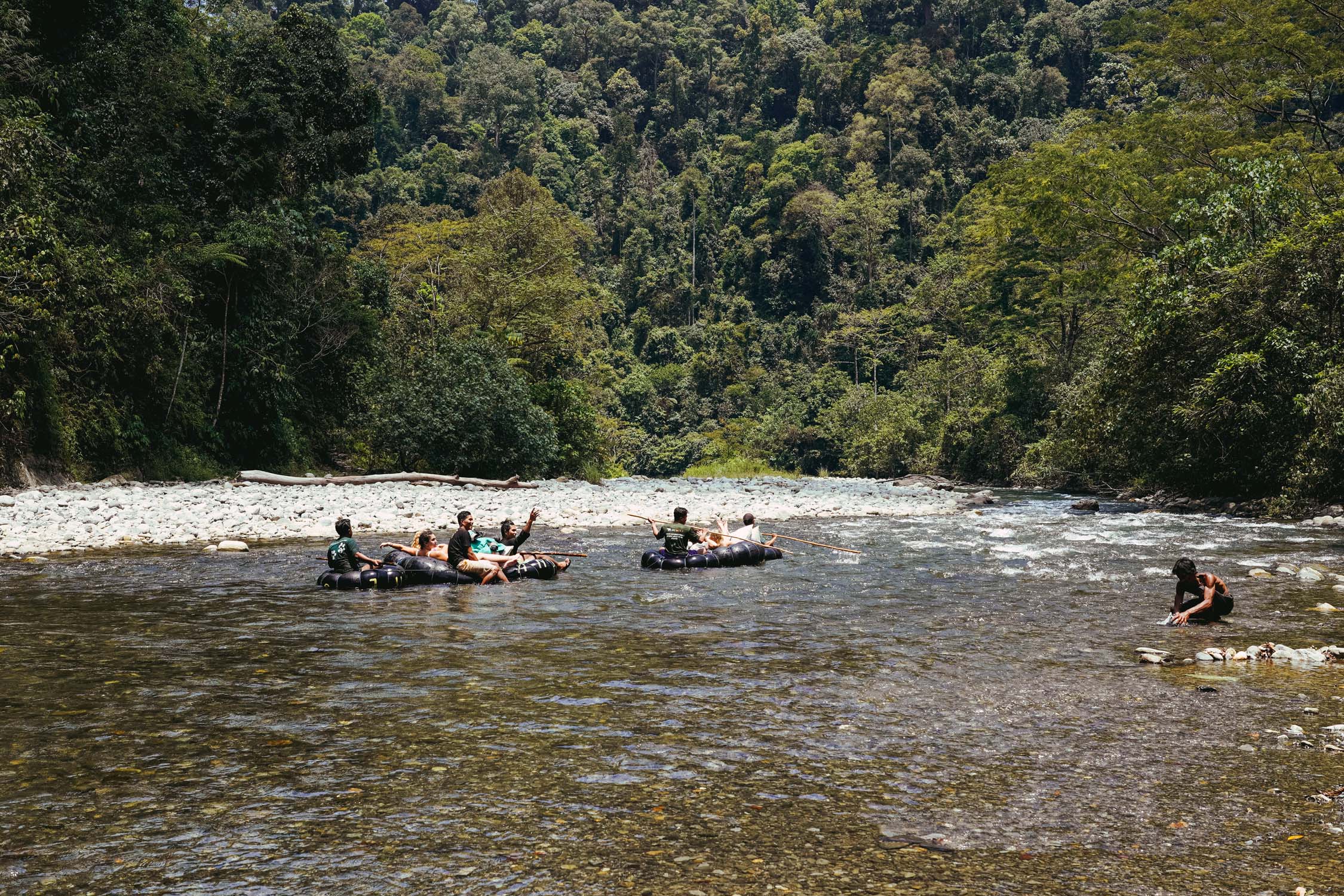
Photo: Aileen Glage
Behind every trek there are many amazing people
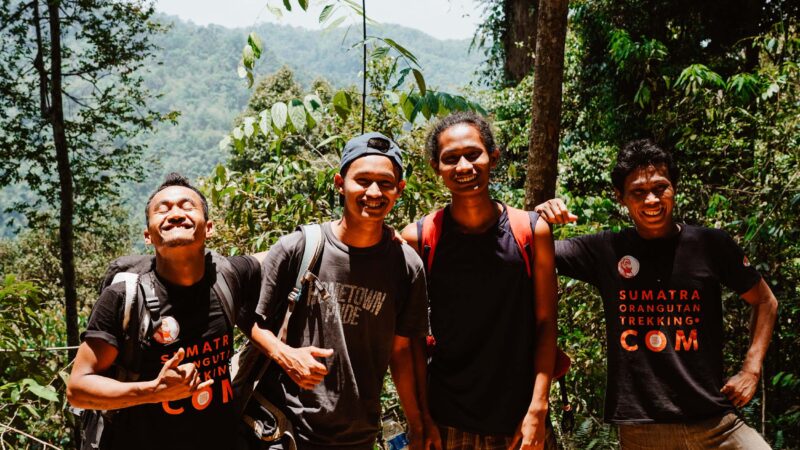
Those who take part in a jungle trek usually see the guide’s work above all else. In reality, however, far more people are involved in making such a tour possible.
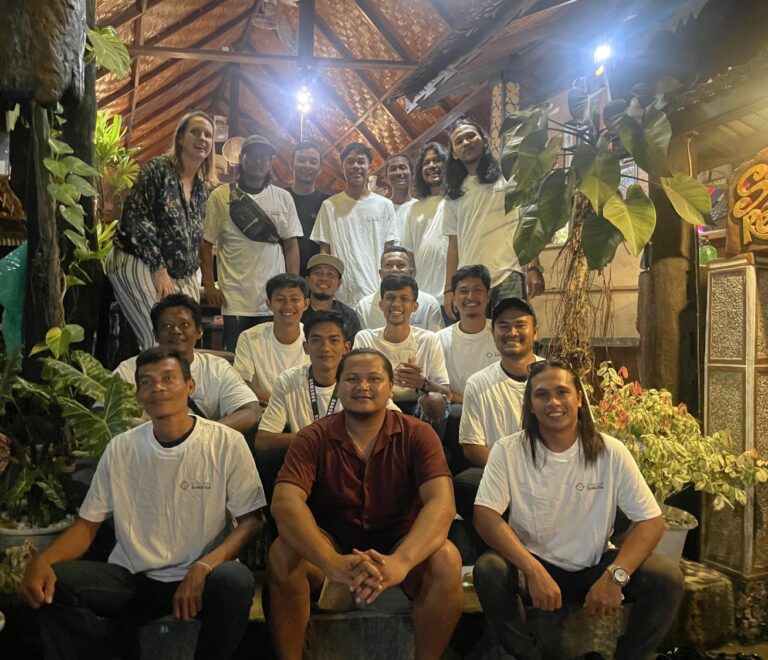
As well as the guide, the cooks laboriously carry the food to the camp and prepare delicious meals for the guests, whilst porters carry the large tyres for tubing at the end of the trek to the camp, having to cross the river several times in the process. In addition, the national park, the guide associations and the camp operators are paid, and often other helpers are involved in the organisation. Many of these people work behind the scenes and are hardly noticed by travellers.
If the price of a trek is driven down, this therefore affects more than just one person. The repercussions are felt by several families who depend on income from tourism.
At Discover Sumatra, all proceeds from the jungle treks go directly to the local team. The trekking fees are used directly to pay the guides, cooks, porters and other staff involved. As managing director of Discover Sumatra, Christine does not retain any share of the trekking fees. It is important to us that the people who do the work and make these special experiences possible for our guests are also fairly remunerated for their efforts.
Read also: How to find a good trekking guide in Bukit Lawang?
Be careful of cheap package deals
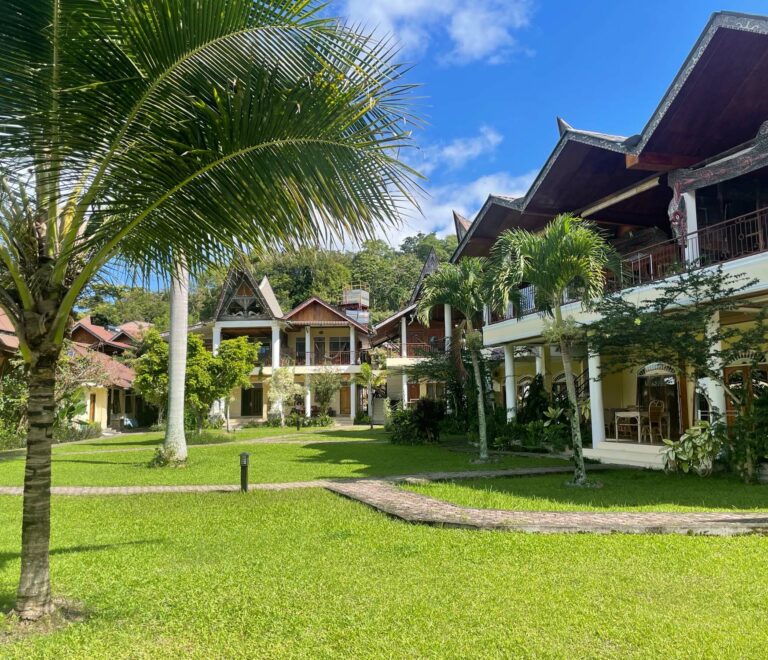
The official prices for the trek do not include transport to or accommodation in Bukit Lawang. This makes sense, as there are different options for both depending on your budget. However, some agencies try to advertise very cheap package deals including transport, accommodation and the trek. In principle, there is nothing wrong with such packages. They actually make perfect sense, as they allow guests to have everything organised from a single source. However, you need to pay attention to the price. A 2-day trek costs €120 per person. So a package price including transport, accommodation and a 2-day trek simply cannot cost €80 or €130 per person. Such packages also undercut the HPI’s prices, and the guides, drivers and accommodation staff are poorly paid.
Bukit Lawang is not a wealthy tourist destination
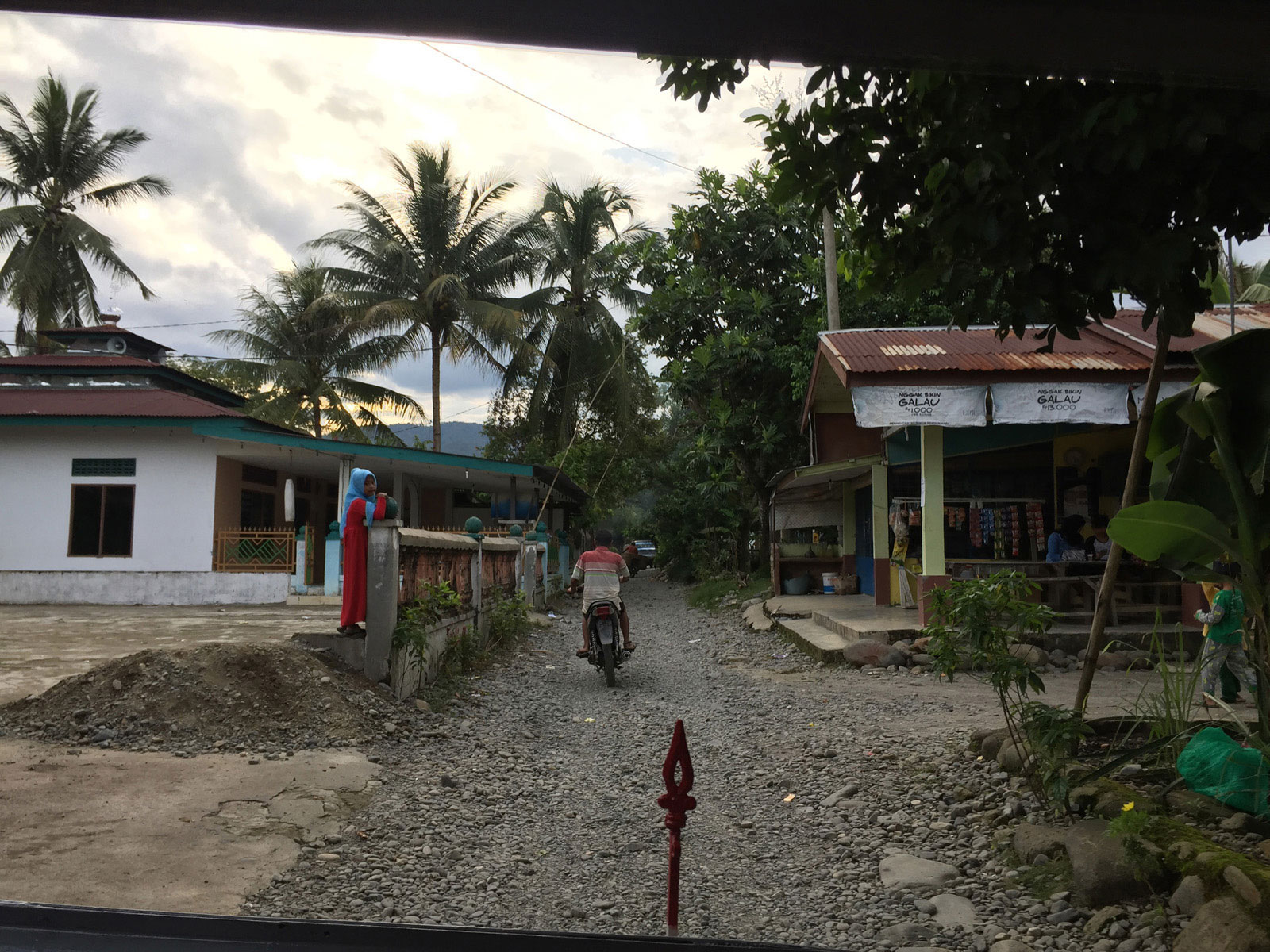
Unlike many well-known holiday destinations, Bukit Lawang has few economic alternatives to tourism. Jobs are limited, and many families depend directly or indirectly on income from jungle trekking or tourism in general.
Whilst a few euros’ difference in price may seem insignificant to many international travellers, the same amounts can make a noticeable difference to a family in Bukit Lawang. Income from the high season between May and August often has to stretch to cover the quieter months of the year.
Anyone who haggles over the price or deliberately chooses providers who charge significantly less than the official rates is helping to further increase the financial pressure on the local people. Even if you haggle for ‘just’ €5, it has an impact. To put it into perspective: a meal at a local warung (local eatery) costs €0.50 or a big 10kg bag of rice costs €7 (lasts for weeks).
Lower prices often mean lower wages
It is not possible to offer jungle treks at ever-lower prices without cutting corners somewhere. When tours are sold below the official prices, this is often at the expense of those who do the actual work.
This can mean that guides, cooks and other staff are paid less. In the long term, this leads to qualified people leaving the profession or being forced to work under conditions that are neither fair nor sustainable.
This is particularly problematic in a region where there are few alternative employment opportunities to begin with.
The risk of a downward spiral
Another problem with ever-cheaper trekking packages is the downward spiral this creates. As soon as individual operators start undercutting the official prices, others come under pressure to lower their prices too. After all, for many travellers, the supposed bargain seems more attractive at first.
But there will always be someone offering an even lower price. Perhaps out of desperation, because they need to feed their family. Perhaps because the competition is doing the same. In the end, a race to the bottom ensues, which nobody can really win.
It is important to realise that nobody in Bukit Lawang gets rich from jungle treks. Most guides, cooks, porters and helpers live in basic circumstances and work hard to provide for their families. The official trekking prices were not set to allow individuals to line their pockets, but to ensure that everyone involved receives a fair income.
If prices keep falling, sooner or later the quality will suffer too. It becomes more difficult to retain experienced guides, pay good cooks a fair wage, or allocate sufficient time and resources to safety and training. In the long term, this can lead to trekking tours being less well organised and, in the worst case, less safe.
It should therefore be in the interests of all guests not to support this trend. Anyone seeking an extraordinary experience in the rainforest stands to benefit themselves if the people who make these experiences possible are paid fairly. Good work deserves fair pay.
Unique experiences of nature should not be defined by the lowest price.
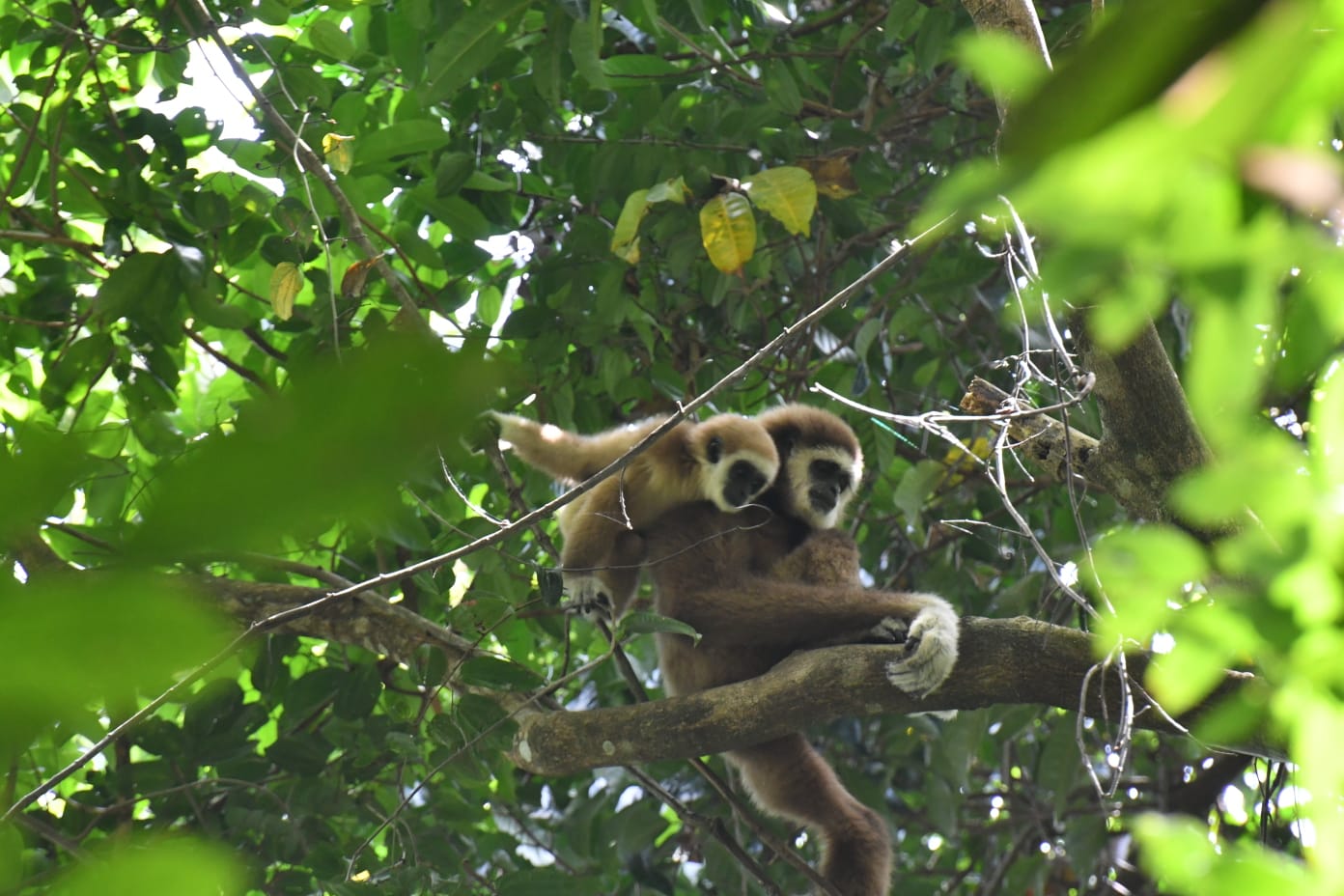
Photo: Martin Raabe
Fair prices ensure quality and safety
A fairly paid guide can focus on their work, attend regular training courses and remain in the profession in the long term. This benefits not only the employees, but also the guests.
Quality, safety and responsible tourism come at a price. Anyone expecting a professionally organised trek with experienced guides, good food and high safety standards should bear in mind that these services are only possible if the people behind them are paid fairly.
Ethical tourism also means social responsibility
Many travellers today want to travel sustainably and help protect nature. In the case of Bukit Lawang, this means not only respecting the rainforest and the orangutans, but also the people who live in and depend on this region.
Ethical and sustainable tourism is not limited to environmental protection. It also encompasses fair working conditions, fair pay and support for local communities.
By accepting the official trekking prices, you help ensure that the revenue from tourism goes where it is needed – to the guides, cooks, porters and their families.
Read also: Sustainable travel with Discover Sumatra

A small amount for you – a big difference for others
For many visitors, the difference between the official price and a haggled-down offer accounts for only a small fraction of the total cost of the trip. For the people of Bukit Lawang, however, it is precisely this amount that can make all the difference.
That is why we recommend not haggling over the price for jungle trekking and being sceptical of offers that are significantly below the official rates. By making this choice, you are supporting fair wages, high-quality trekking tours and a sustainable future for the people of Bukit Lawang. After all, responsible travel isn’t just about protecting nature – it’s also about protecting the people who show it to you. 🌿🦧
Here at Discover Sumatra, we pay our guides some of the highest salaries in Bukit Lawang. This allows them to plan for the long term, support their families and feel valued for their hard work.
Read our FAQ on the trek for more information.
Have we sparked your interest? Enquire about our ethical jungle trekking in Bukit Lawang now.