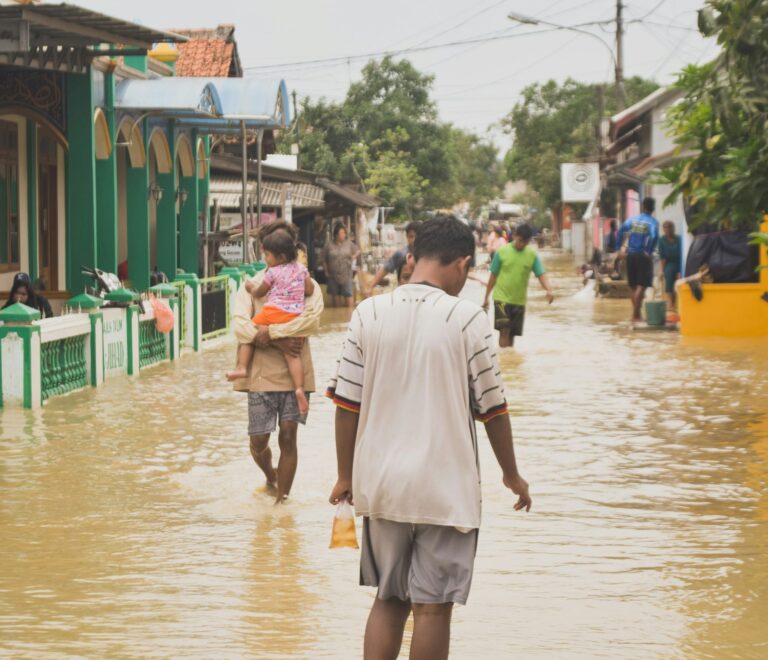
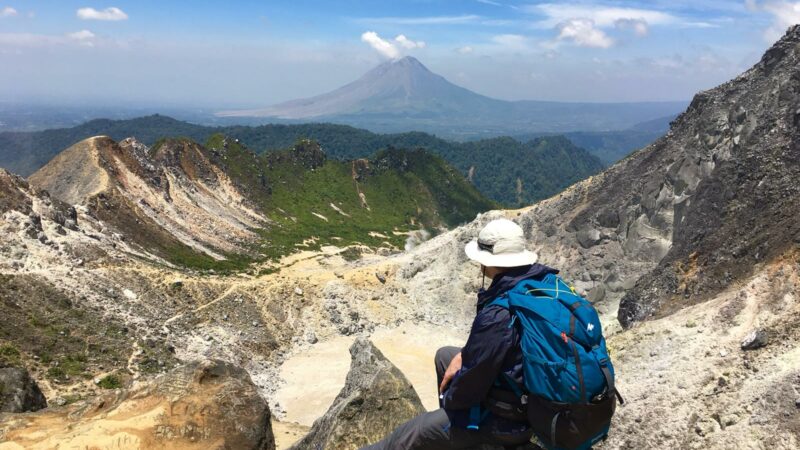
Sumatra is one of the most exciting and rewarding destinations in Indonesia. Vast rainforests, active volcanoes, traditional cultures and some of the last remaining wild orangutans make the island incredibly special. At the same time, Sumatra is very different from more developed travel destinations in Southeast Asia like Thailand or Vietnam.
Understanding a few things to know before you travel to Sumatra will help you travel more comfortably and appreciate the island for what it is: wild, authentic and beautifully unpredictable.
1. Sumatra is predominantly Muslim
Most people in Sumatra follow Islam, especially in regions such as Aceh as well as North and West Sumatra. Visitors are very welcome, but it is important to respect local customs and social norms.
Out of respect for the local culture, skimpy and tight clothing should be avoided. Shorts and sleeveless tops are generally acceptable in tourist areas, but very revealing clothing can make people uncomfortable, especially in smaller towns and villages. Dressing modestly is appreciated and often leads to warmer interactions with locals.
Public displays of affection should also be kept discreet. Holding hands is usually fine, but kissing or very intimate behavior in public places is not common and should be avoided.
2. Cash is still king
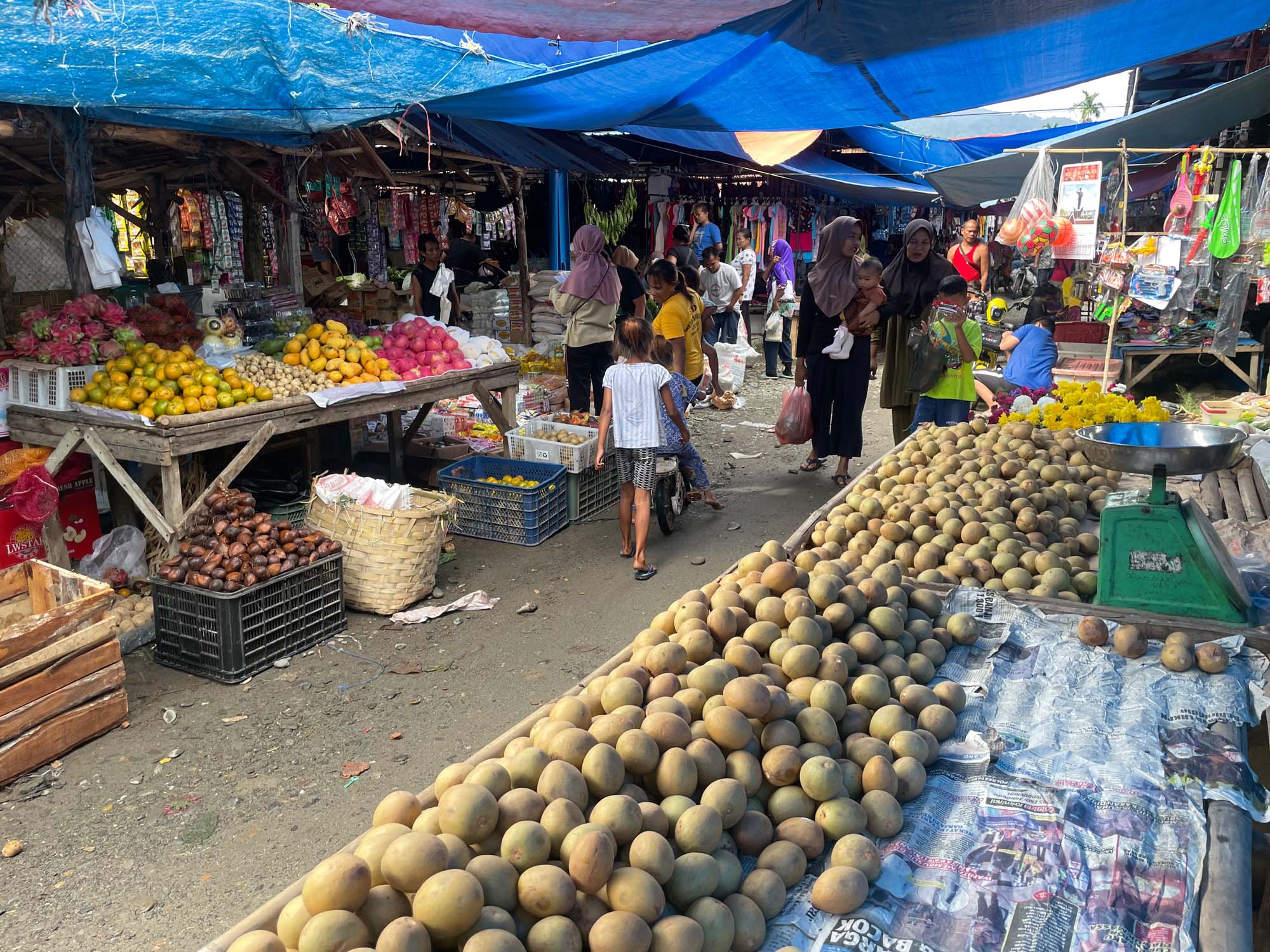
While Indonesia is rapidly modernizing, Sumatra remains largely a cash-based destination. Credit cards are usually only accepted in bigger cities such as Medan and in larger hotels or resorts.
In smaller towns, guesthouses, restaurants, markets and transportation services typically require cash. Even some jungle lodges and trekking operators do not accept cards.
It is therefore advisable to withdraw sufficient cash in larger towns before travelling to more remote areas such as Bukit Lawang or Lake Toba. ATMs are available in many places (except in Bukit Lawang), but may occasionally be out of service. Currency exchange bureaux are also rather rare. Payment via Apple Pay or Google Pay is accepted even less frequently. It is therefore best to take a physical credit card with you and withdraw cash whilst travelling. Ideally two, in case one doesn’t work.
3. Air Conditioning is not always available
Travelers used to air conditioning everywhere may be surprised that many accommodations in Sumatra do not have it. In many places, especially eco-lodges and jungle guesthouses, rooms are equipped with fans instead of air conditioning.
In the rainforest areas such as Bukit Lawang, this is often intentional. Many small hotels are built to blend into the environment and rely on natural airflow rather than sealed rooms with air conditioning.
At higher elevations, for example around Berastagi, air conditioning is usually unnecessary because temperatures are cooler.
Distances can be long
Sumatra is a very large island, and traveling between destinations can take longer than expected. Roads often pass through mountains, villages and agricultural areas, and traffic conditions can vary significantly.
A good rule of thumb is to add about fifty percent to the travel time suggested by Google Maps. A journey that looks like five hours online may realistically take seven or eight hours depending on road conditions and stops along the way.
Because of this, well-planned routes are essential. Trying to visit too many places in a short time often leads to spending more time in the car than exploring.
4. English is not spoken everywhere
In popular travel areas, guides and hotel staff usually speak English well. However, outside tourism hotspots, many people speak little or no English.
This is especially true in rural villages, local markets and smaller restaurants. Learning a few basic Indonesian phrases can make interactions easier and is always appreciated. Even simple greetings or thank-yous in Bahasa Indonesia often lead to friendly smiles and conversations.
Read also: Indonesian vocabulary for your trip to Sumatra
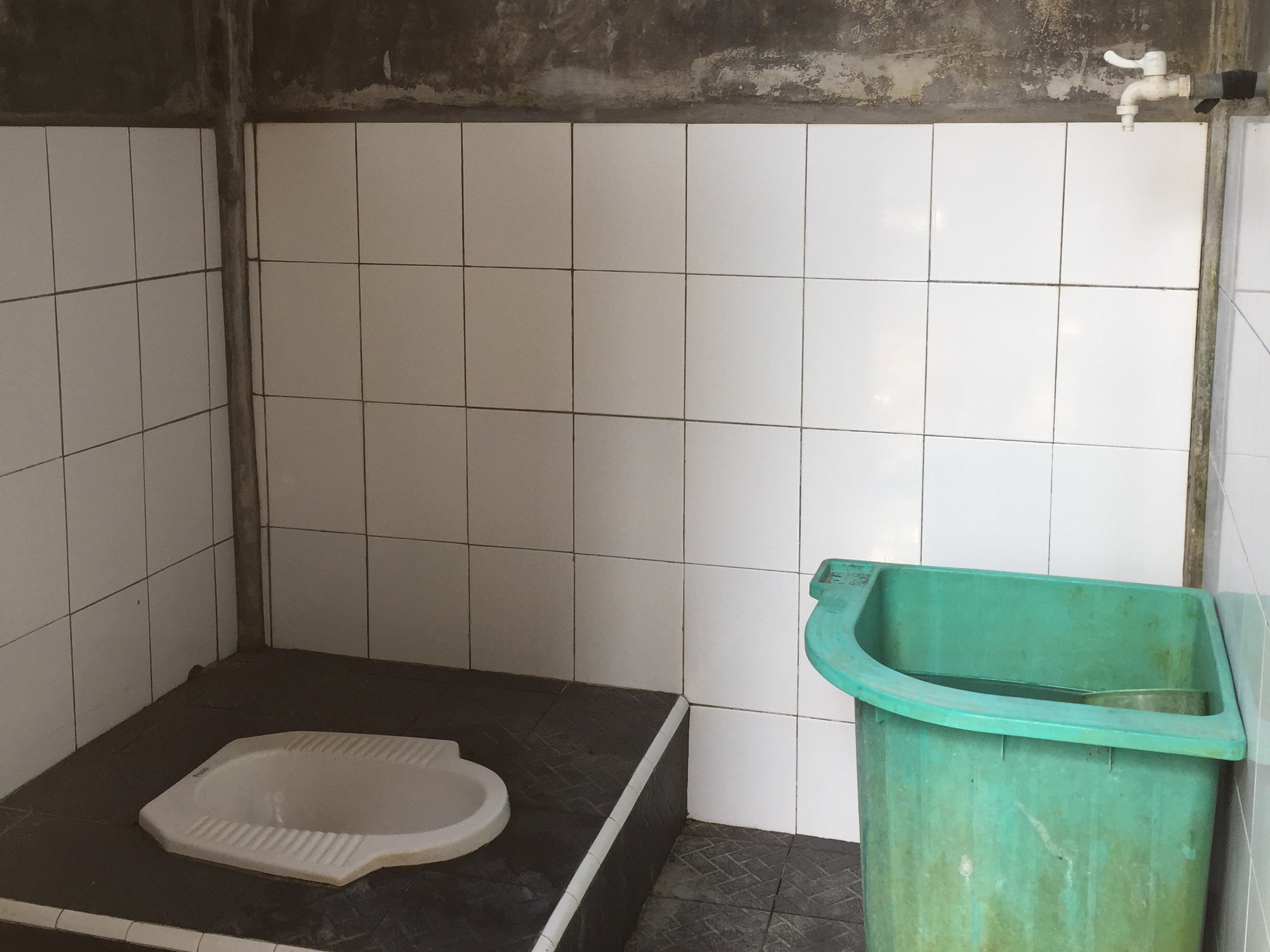
5. Squatting toilets are still common
While many hotels and modern restaurants have Western-style toilets, squat toilets are still very common across Sumatra, especially in local restaurants, markets, bus stations and rural areas. These toilets consist of a ceramic basin on the floor with footrests on either side where you squat instead of sitting. Use the scoop in the big bucket to “flush” the toilet afterwards.
They may feel unfamiliar at first, but many locals consider them more hygienic. Toilet paper is not always provided, as many Indonesians use water for cleaning instead. It can therefore be useful to carry tissues or toilet paper in your bag when traveling around places such as Bukit Lawang or around Lake Toba.
6. Infrastructure is basic in many areas
One of the reasons Sumatra feels so authentic is that tourism infrastructure is still developing in many parts of the island. Roads may be rough in rural areas, ferry schedules can change and services may not always run exactly on time.
Patience and flexibility are essential travel companions here. What might seem like an inconvenience often becomes part of the adventure and a chance to experience local life more closely.
7. Public transport works differently than in many other countries
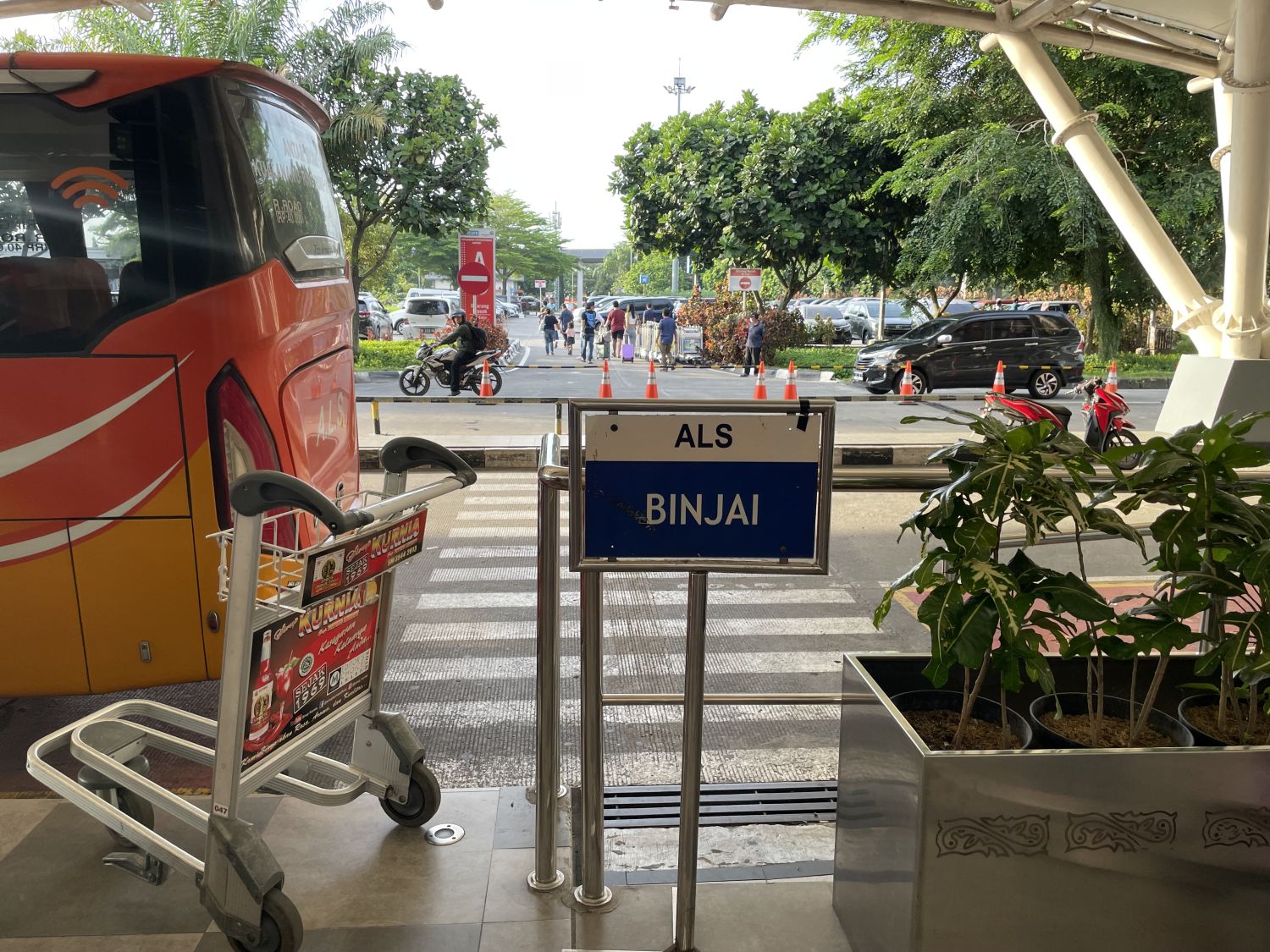
Public transportation in Sumatra can be confusing for first-time visitors because there are two very different systems. Long-distance buses between major cities are generally reliable and can often be booked online in advance. These buses usually operate between larger destinations such as Medan, Bukittinggi or Padang and are a relatively comfortable way to travel longer routes.
For short and medium distances, however, transportation often relies on local minibuses. These shared vehicles typically do not follow fixed schedules and usually depart only once they are full. Waiting times can vary significantly, and routes are not always easy to understand for visitors. Travelers using these minibuses should plan extra time and be flexible, as departures and arrival times can change without notice.
Read also: How to get around Sumatra
8. Wildlife encounters are wild, not guaranteed
Many visitors come to Sumatra hoping to see orangutans in the wild. One of the most famous places for this is Bukit Lawang, located on the edge of Gunung Leuser National Park.
Wildlife sightings are never guaranteed. While the chances of seeing orangutans during a jungle trek are high, they are still wild animals moving freely through the forest. This unpredictability is exactly what makes the experience so special.
9. Sumatra can be visited year-round
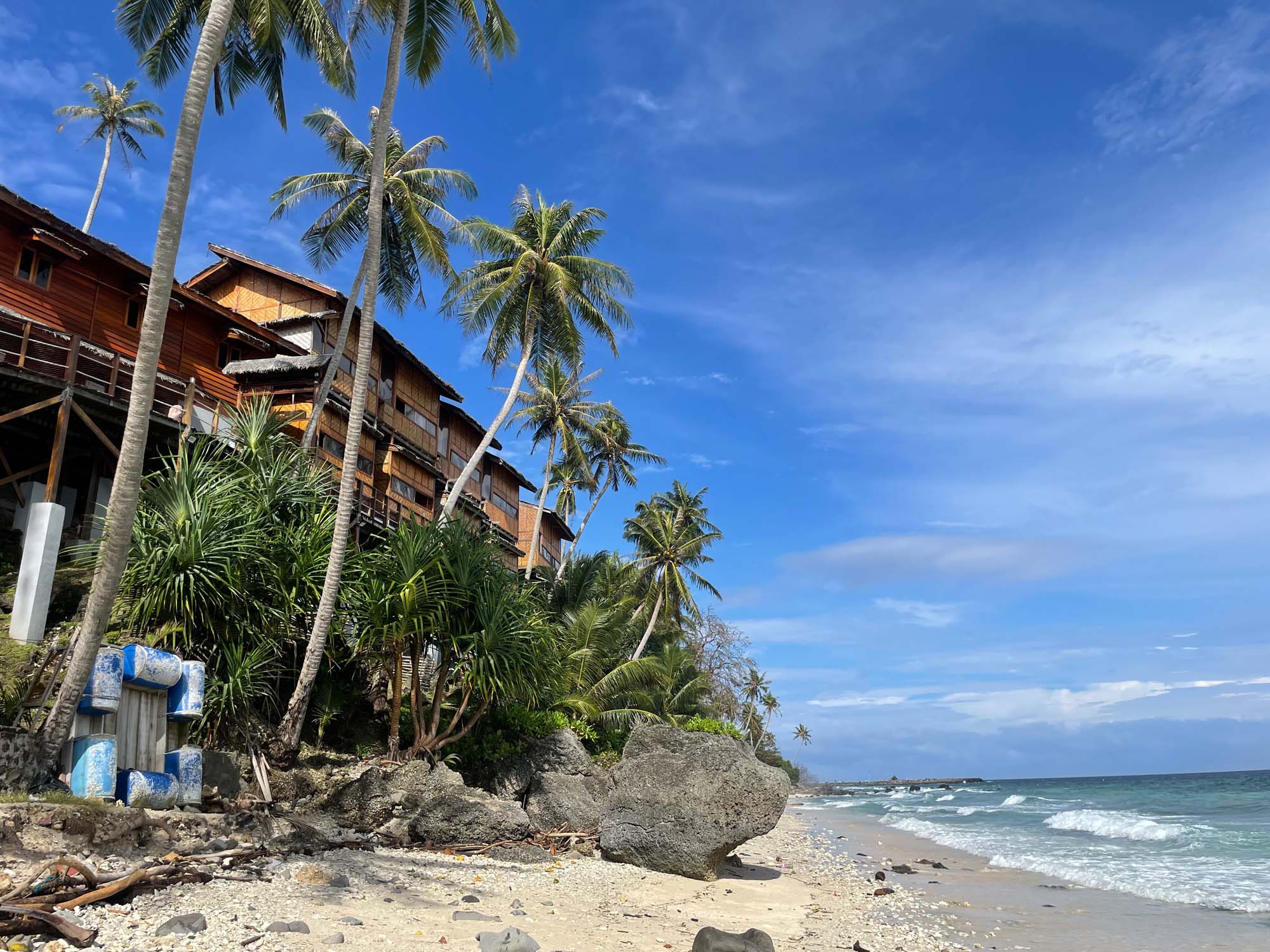
Sumatra lies close to the equator, which means the climate is warm and humid throughout the year. Rain showers can occur even during the drier months, especially in rainforest regions.
Lightweight clothing, good hiking shoes and a rain jacket are always useful to have. The rainforest is beautiful in all seasons, and rain often makes the jungle even more vibrant. Even during the so-called rainy season in December and January it only rains some days for 1-3h, but it is still hot and sunny on most days.
Read also: Best time to visit Sumatra
10. Take your time
Perhaps the most important thing to know before visiting Sumatra is that the island rewards slow travel. The landscapes are vast, the cultures are diverse and many of the most memorable experiences happen when you take the time to explore beyond the obvious highlights.
Instead of rushing from place to place, spending an extra day somewhere often leads to deeper encounters with nature and local communities.
For travelers who are open to a bit of unpredictability and willing to adapt to local conditions, Sumatra offers one of the most authentic travel experiences in Southeast Asia.
Read also: Things you should know before going to Bukit Lawang, Sumatra